Why Choose the Ezlift Sleep-To-Stand Bed
Revolutionize Your Bedroom With Innovative Customizable Beds
Adjustable beds are receiving attention for their capacity to improve sleep quality and comfort. These versatile designs allow users to raise their heads or legs, addressing common issues such as snoring and acid reflux. With characteristics like wireless remotes and integrated massage features, they cater to diverse needs. As the demand for customized sleep options rises, understanding the specifics of adjustable beds becomes crucial to making a informed decision about one's sleep environment.
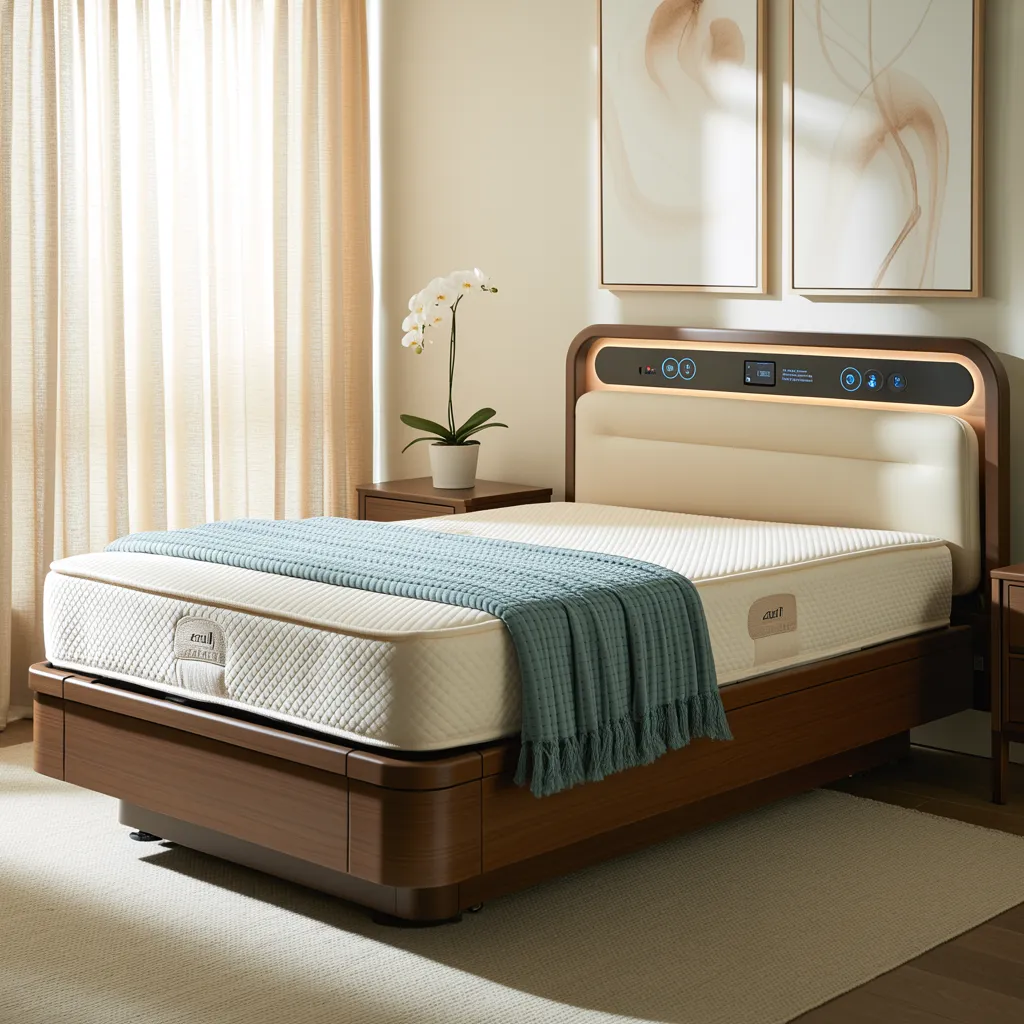
Ways Adaptable Beds Elevate Sleep Quality
While many individuals contend with sleep performance, adjustable sleeping surfaces deliver a promising remedy. These beds allow sleepers to customize their sleeping positions, which can alleviate unease and promote deeper sleep. By lifting the head or legs, adjustable sleeping surfaces can reduce issues such as snoring, acid reflux, and respiratory interruptions, leading to uninterrupted sleep cycles.
Moreover, the capacity to locate a personalized posture can improve spinal alignment, decreasing back pain for many people. The ergonomic support provided by beds with adjustable features encourages a more restful sleep, as users can locate the perfect angle that suits their preferences.
In addition, these sleeping systems can support calm, making it more effortless for people to wind down before bedtime. Overall, flexible beds cater to various sleep needs, greatly improving the overall rest quality and quality, ultimately contributing to superior wellness and quality of life.
Vital Attributes to Find in Flexible Beds
Adjustable beds include a assortment of elements that enhance their functionality and overall comfort. One essential element is the range of positions provided for adjustment, permitting users to raise their head or feet for maximum relaxation. Cordless remote control devices are essential, offering convenient adjustments without having to leave the bed.
One important aspect is the bed's load capacity, which confirms it can support various body types. Additionally, some models feature massage capabilities built-in, delivering relaxation and stress relief. Compatibility with different mattress types is critical, allowing users to pick their preferred comfort level.
Furthermore, assess the presence of safety features such as self-return and anti-collision technology. To summarize, the warranty and customer support possibilities must not be overlooked, since they show the manufacturer's confidence in the longevity of the product. These elements work together to enhance an enhanced sleeping experience and improved overall happiness.
Boosting Comfort Through Adjustable Beds
Often, individuals enjoy significant enhancements in comfort when using adjustable beds. These beds allow users to personalize their sleeping position, meeting personal preferences and specific needs. By elevating the head or foot sections, sleepers can reduce pressure on the spine and joints, promoting better alignment and reducing discomfort.
Additionally, customizable bed frames can be especially helpful for individuals suffering from specific health conditions, such as acid reflux or sleep apnea. Elevating the upper body can assist in minimizing symptoms, while lifting the legs may boost blood flow and reduce swelling.
The versatility of beds that adjust also extends to their capacity to support multiple activities. Whether enjoying a book, watching television, or completing work from bed, users can locate a posture that boosts their overall enjoyment. Ultimately, the flexibility of adjustable beds contributes significantly to better sleep and overall well-being.
Evaluating Adaptable Bed Structures and These Benefits
Investigating the wide range of styles of adjustable bed options highlights distinct benefits tailored to individual needs. The most common types include bifurcated adjustable beds, which allow partners to tune their side independently, maximizing comfort for both. Likewise, wall-hugger designs maintain proximity to nightstands while adjusting positions, proving them practical in smaller spaces.
Furthermore, some models feature zero-gravity modes, which lift the head and legs, providing relief from pressure points and boosting circulation. Other beds come equipped with massage functions, giving relaxation and aiding in stress reduction.
Materials vary as well, with options ranging from memory foam to hybrid designs, addressing different preferences for firmness get the full story and support.
Ultimately, your choice of adjustable sleeping system can greatly influence sleep standards and overall health status, making it imperative for consumers to consider their particular circumstances and way of life when determining the ideal option.
Steps for Setting Up Your Motorized Bed With Ease
Installing an adjustable bed involves a few straightforward steps to guarantee proper performance. First, unboxing and inspecting all components is essential for identifying any likely issues. Once verified, constructing the bed frame and connecting the power and settings will conclude the setup process productively.
Remove from Box and Inspect Components
Revealing an flexible mattress system uncovers a wide range of elements created for straightforward assembly and maximum comfort. Generally, the container features the structural frame, adjustable base, remote control, energy source, and different accessories including joining pieces and fasteners. Every piece are meticulously packed to shield against harm in transit.
Throughout detailed inspection, it is critical to verify that all components are present and without defects. Users should test the remote for proper operation and confirm that wiring are in proper condition. Also, assessing the adjustable base for any production flaws is important. Proper review at this point can save headaches and time during the assembly process. With everything accounted for, users can proceed with certainty to assemble their new bed frame.
Assemble The Bed Frame
Starting the assembly of the bed frame involves laying out all parts in a systematic manner, providing easy access throughout the process. The frame typically includes side rails, end rails, and support slats. Begin by joining the side rails to the head and footboards following the given instructions, fastening each joint with appropriate hardware. Then, install the support slats across the width of the frame, making sure they are evenly spaced to maximize mattress support. After the frame is fully constructed, check stability by gently shaking it. Corrections can be made if needed to ensure a secure and sturdy setup. With the frame in position, the next steps can proceed without issues.
Connect Electrical And Settings
To establish an optimal experience with the adjustable bed, connecting the power supply and configuring the settings is necessary. First, find the electrical cord and insert it in a nearby outlet, ensuring it is securely connected. Next, turn on the bed's control panel, often located on the side or foot of the bed frame. This unit usually features a remote control or a smartphone application for convenience. Users should then modify the bed's positions, such as head and foot elevation, according to personal comfort preferences. It is recommended to explore additional settings, including massage functions or preset positions. Finally, confirming that all connections are secure can avoid interruptions while using, enhancing overall satisfaction with the adjustable bed experience.
Revealing the Truth About Misconceptions Surrounding Adjustable Beds
Many misconceptions encompass adjustable beds, chiefly regarding comfort and mobility benefits. Some believe that these beds are fundamentally uncomfortable or that their advantages are restricted to those with mobility issues. Addressing these myths is crucial to comprehending the true value of adjustable beds.
Adjustable Beds Deliver Discomfort
Adjustable beds encounter criticism for seeming unpleasant, yet this assumption is substantially false. Several users share that these beds improve their sleeping experience by allowing personalized placement. The capacity to raise the upper or lower sections can reduce pressure on targeted regions, boosting blood flow and alleviating discomfort. Furthermore, adjustable beds include various bedding choices, including memory foam and latex, which meet individual preferences for firmness and support. Many manufacturers also focus on ergonomic design, confirming that the bed adapts to the natural body contours. Therefore, adjustable beds can deliver a level of comfort that traditional beds cannot match, refuting the myth that they are inherently uncomfortable for sleep.
Limited Mobility Benefits Only
While some may believe that beds with adjustment features only serve those with limited mobility, this assumption overlooks the wide range of advantages they offer to a broader audience of users. Adjustable beds can enhance comfort for individuals without physical limitations by enabling individualized positioning that promotes unwinding and diminishes tension areas. They are notably beneficial for those who suffer from ailments like GERD or breathing disorders, as elevating the top portion can enhance respiration and digestive processes. Moreover, such beds can enhance general sleep performance by supporting multiple sleeping positions. By dispelling the misconception that these beds are only for the physically disabled, it grows clear that they serve to anyone in need of a improved and tailored sleep experience.
Best Mattresses for Beds that Adjust
Determining the appropriate mattress for an flexible sleeping surface can greatly enhance comfort and support. Memory foam mattresses are frequently suggested due to their ability to conform to the body's shape, providing pressure relief and alignment. Furthermore, they normally perform well with adjustable bases, enabling smooth movement without impairing comfort.
Latex mattresses represent another excellent option, delivering a lively feel and durability. They provide a level support that can work with various body positions, creating them ideal for electric beds. Additionally, mixed mattresses, which merge innerspring and foam and latex, provide a versatile option. These mattresses provide the bounce of traditional innerspring with the contouring benefits of foam.
Lastly, it's crucial to assess mattress depth. Mattresses ranging from 10 to 14 inches tend to work best with adjustable frames, ensuring flexibility and support without being too bulky. Choosing the appropriate style can greatly improve the experience on adjustable mattresses.
Regular Questions Raised Frequently
Can you use any type of mattress on adjustable bed frames?
Adjustable beds are commonly compatible with various mattress types, including memory foam, latex, and hybrids. However, it's important to examine specific manufacturer guidelines to ensure peak operation and stability for each mattress design.
Are Custom Bedding and Attachments Necessary for Adjustable Beds?
Adjustable beds generally do not require unique bed linens or add-ons. However, utilizing fitted sheets designed for adjustable bases can enhance comfort and fit, guaranteeing the bedding adapts to the bed's movements efficiently and remains secure.
How Long Will Adjustable Beds Usually Function?
Adjustable beds commonly last for 10 to 20 years, contingent upon usage and quality. Consistent maintenance and appropriate care can prolong their lifespan, ensuring continued comfort and functionality for customers over time.
Can Adaptable Beds Help With Particular Health Conditions?
Adjustable beds can certainly assist with specific health ailments, such as sleep apnea, acid reflux, and chronic pain. By encouraging ideal sleeping positions, they may reduce discomfort and enhance overall sleep quality for many individuals.
Are electric beds noisy when shifting positions?
Adjustable beds may differ in noise levels when adjusting positions. Many models run silently, while some may produce slight sounds due to mechanical components. Overall, most users consider the noise minimally bothersome during use.